
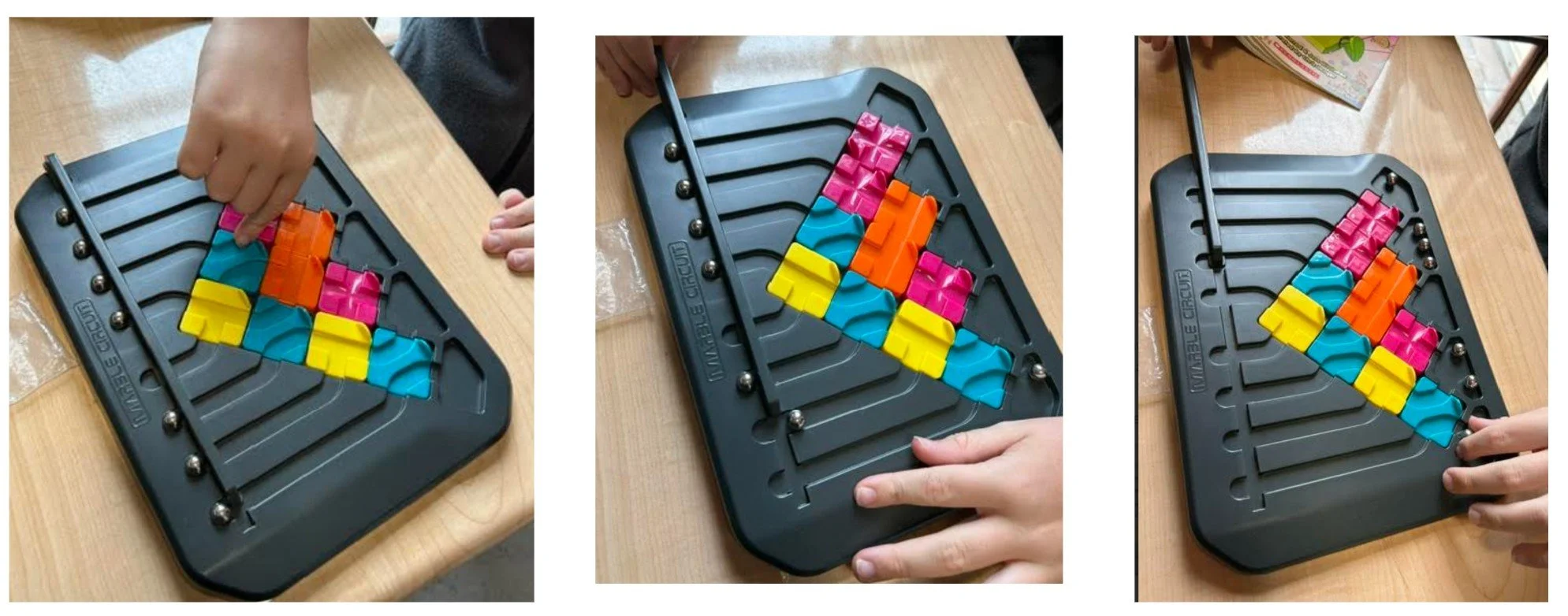
EXECUTIVE FUNCTIONING
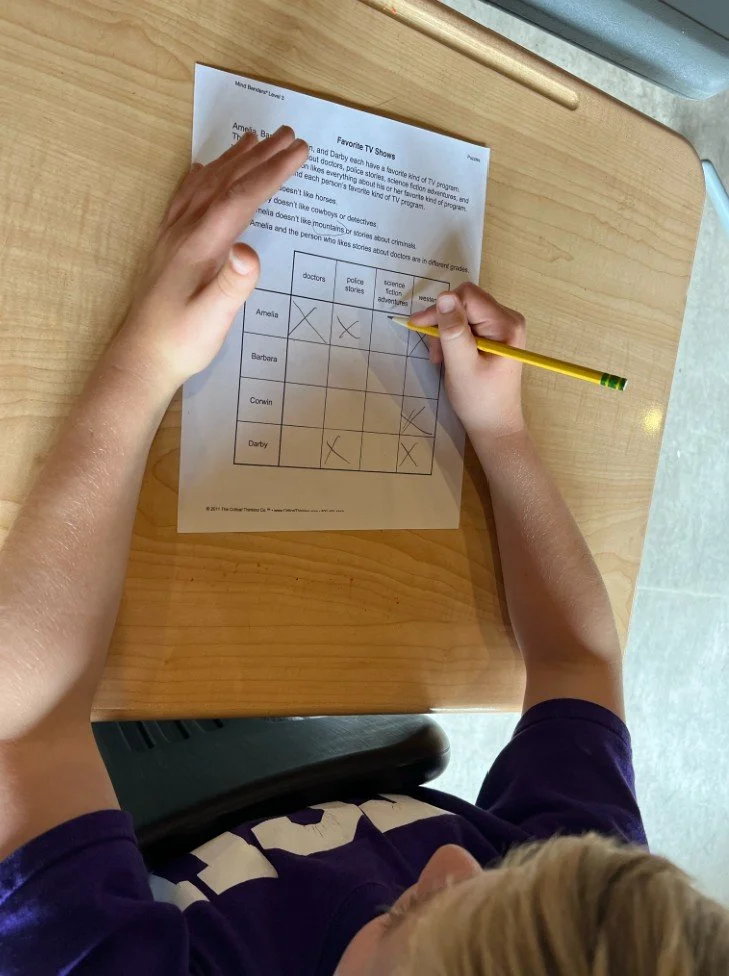
Executive Function (EF) skills undergo a transformation from highly supported, externalized routines in early elementary school to internalized, independent management ideally, by the end of middle school. This development follows the maturation of the brain's prefrontal cortex, which continues until the mid-20s. At My City School, we understand that students with learning challenges can often have a different timeline for developing executive functioning skills. MCS remains committed to meeting students where they are and working with families to create a consist target areas to support.
Grades 4-5 : Emerging and Developing SkillsPractice 2-3 steps of instruction
Categorizing and Organizing
Visual Checklists
Increased Focused working time 20 - 30 min.
Identifying frustrating triggers
Grades 6 - 8: Practicing and Maturing in SKillsOrganizing
Practice managing varied tasks
Independently uses digital or paper systems
Focused working time up to 70 minutes
Asking questions & advocating for accommodations
Note taking and synthesizing
Executive Functioning refers to the mental processes, or "executive skills," that allow individuals to regulate behavior, set and achieve goals, and manage daily tasks effectively. Key components include working memory, flexible thinking, and self-control.
These skills, which originate in the brain's frontal lobes, are crucial for planning, organizing, paying attention, and problem-solving, impacting everything from school performance and work to social interactions and overall quality of life. Schools expect students to already be doing these things, even though their skills are not fully developed yet! MCS builds a strong EF foundation in every class to help students jump on these skills so they can thrive in high school.
Common Core EF Content from our executive functioning program is derived from common core expectations across the subjects.